
Introduction
Whether you’re a recreational paddler or a serious kayaker, selecting the right shoes for kayaking is essential for your safety, comfort, and overall performance on the water. This article provides a comprehensive guide to the best footwear options for kayaking in 2025, helping you make informed choices for every paddling adventure.
Key Takeaways
- The best shoes for kayaking are closed-toe, secure on the foot, quick-draining, and selected based on water temperature, boat fit, and terrain like rocks and portages.
- Warm conditions usually call for low-profile water shoes or sandals, while cold conditions demand neoprene booties or insulated kayak boots.
- Sole thickness and flex are a trade-off: a thinner outsole fits tight cockpits better, while thicker soles protect better during portages and rocky landings.
- Proper fit with no heel lift, no loose straps, and no flopping sandals is a key safety factor during swims and rescues.
- Most paddlers end up with two to three pairs of footwear covering summer shoes, shoulder-season booties, and winter boots rather than a single do-it-all option.
Finding the right shoes for kayak adventures can feel overwhelming when you’re staring at dozens of options ranging from barefoot-style water shoes to tall neoprene boots. The truth is, there’s no single perfect kayaking shoe. What works for a summer flatwater paddle won’t cut it when you’re running cold water in early spring, and the minimalist shoes that feel amazing in a tight whitewater kayak might leave your feet aching after a long portage over slick rocks.
This guide breaks down everything you need to know about kayaking shoes in 2025, from specific product recommendations to practical selection criteria that actually matter on the water.
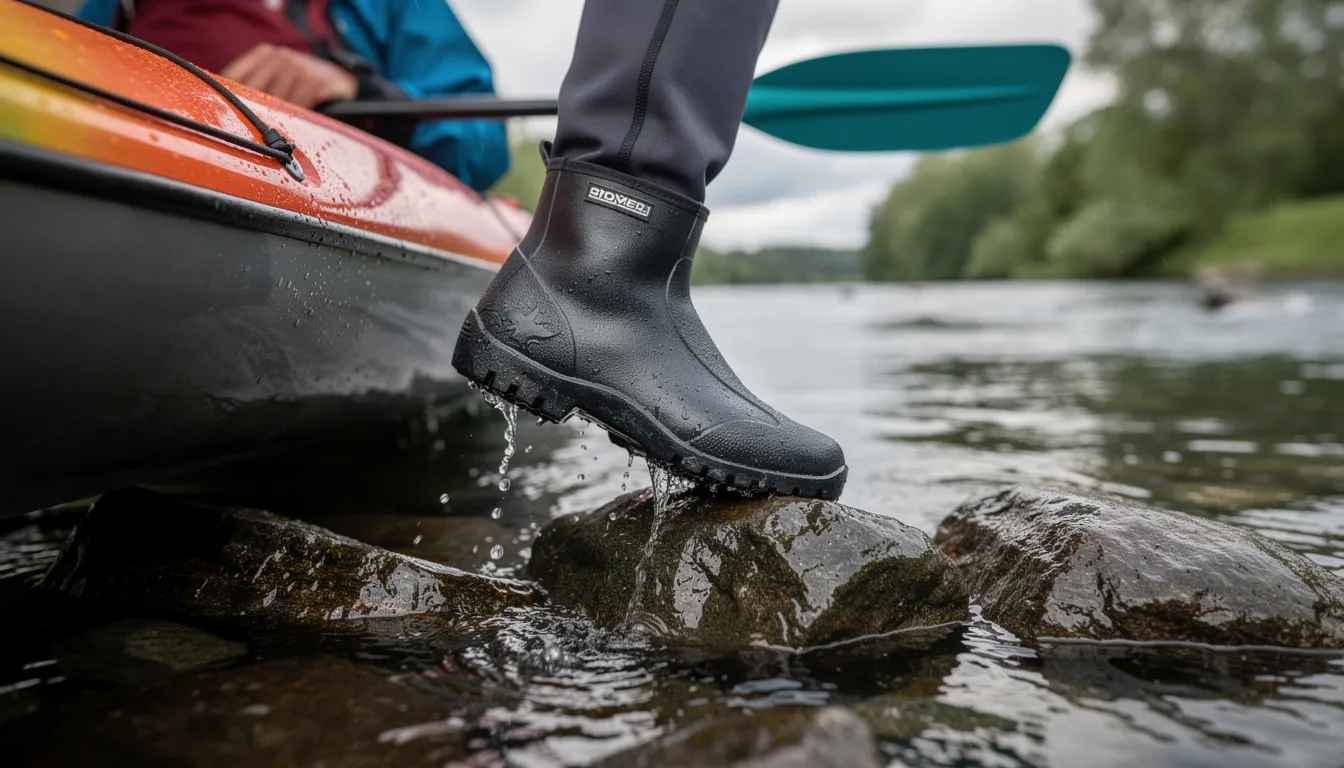
Best Kayak Shoes and Boots in 2025
This section is a concise, practical buyer’s guide focused specifically on kayaking rather than generic beach footwear. The list mixes minimalist water shoes, supportive river shoes, neoprene booties, and tall expedition boots to cover different kinds of kayaking from recreational touring to technical whitewater and sit-on-top fishing.
Each recommendation includes what the shoe is best for, approximate 2025 pricing, and honest pros and cons based on real paddling conditions.
Astral Loyak (Men’s & Women’s)
The Astral Loyak shoes have earned a devoted following among whitewater paddlers for good reason. This minimalist, low-profile water shoe features a very flexible, thin sole that works exceptionally well in snug whitewater or playboats where every millimeter of foot volume matters. The sticky rubber compound provides remarkable grip on wet rocks and slippery rocks alike, with shallow lugs designed to maximize rubber-to-surface contact rather than channel away debris.
The astral loyak upper uses quick-draining canvas and mesh materials that shed water rapidly, typically draining 90% of water in under 10 seconds. The neutral, barefoot-like feel underfoot gives paddlers excellent boat feedback, which is why it remains a top pick for Minnesota’s Boundary Waters and similar remote paddling destinations where lightweight packability matters.
These shoes work best for warm to mild water from late spring through early fall. They’re not intended for cold weather paddling without layering a neoprene sock inside, and their minimal cushioning means long hikes to put-ins can feel rough on bare feet. Pricing runs around $95 to $105 in 2025, making them a worthwhile investment for paddlers who prioritize boat feel and tight cockpit compatibility over hiking support.
Astral Brewer 3.0
The astral brewers represent a more robust evolution of Astral’s kayaking footwear philosophy. While maintaining the brand’s signature sticky soles, the Brewer 3.0 adds a thicker midsole and substantially more protection around the toe and heel areas. This extra protection matters significantly on technical rivers like Oregon’s Rogue River, where paddlers regularly scout Class III-IV rapids over sharp, barnacle-covered boulders.
The G.SS sticky rubber outsole provides exceptional traction on smooth surfaces and wet surfaces alike, while quick-drain ports keep feet from feeling waterlogged during extended sessions. The balanced cushioning makes these shoes comfortable for walking to and from put-ins without sacrificing too much boat sensitivity.
The trade-off comes in fit. The bulkier sole can create issues in very tight freestyle kayaks, though it’s excellent for creeking and general river running where more support actually helps. At around $120 in 2025, the Brewer 3.0 positions itself as a do-a-bit-of-everything kayak shoe for paddlers who also hike to the river and need extra protection on rugged terrain.
NRS Paddle Wetshoe
When water temperatures drop below the comfortable range for mesh water shoes, the NRS Paddle Wetshoe becomes an essential piece of kit. This mid-height neoprene bootie typically features 3 to 3.5mm neoprene that keeps feet warm in cool to cold water while still fitting inside most touring and whitewater kayaks without creating pressure points.
The flexible yet grippy rubber sole provides confident traction on river bottoms and slippery boat ramps. The fleece or soft-lined interior adds comfort against bare feet or thin socks, while the snug zip or pull-on design stays secure during swims and rescues when loose footwear can become a hazard.
This is a great shoulder-season option for spring and fall paddling, or for colder rivers where full winter boots would be overkill. Pricing falls in the $70 to $85 range for 2025. One consideration is that neoprene dries slower than mesh water shoes, so having a rotation or planning for overnight drying becomes important on multi-day trips.
NRS Boundary or Similar Tall Kayak Boots
Tall neoprene or rubber kayak boots like the NRS Boundary serve a specific purpose: keeping feet dry and warm when wading into cold launches and paddling in near-freezing conditions. The over-calf height creates integrated waterproofing that prevents water from flooding in when you step off the dock into knee-deep cold water.
The thick neoprene insulation can keep feet comfortable in water temps approaching freezing when paired with drysuits and warm socks underneath. Field testing shows these boots help maintain foot temperatures above 60°F even in 45°F water, which makes a significant difference during a few hours on winter rivers or early-season whitewater runs.
The taller shaft and thicker sole do create bulk that can feel cramped in tight cockpits. These boots work better in roomier touring and river-running kayaks than tiny playboats. Expect to pay around $150 to $185 in 2025, positioning them as specialty gear for winter sea kayaking, early-season whitewater, expedition canoe trips, and paddling destinations like the Grand Canyon during colder months.
Budget-Friendly Water Shoes for Kayaking
Major sporting goods brands offer inexpensive mesh water shoes in the $25 to $40 range that can work for casual summer kayaking on lakes or easy rivers. These budget options typically feature closed-toe designs with basic rubber soles and mesh uppers that drain reasonably well.
For sit-on-top recreational kayaks and mellow flatwater paddling in warm conditions, these affordable shoes get the job done. They keep your feet protected from hot dock surfaces, rocky lake bottoms, and the general debris that accumulates in boats.
The downsides are real though. Budget shoes usually have thinner outsoles, less secure construction, and weaker traction compared to dedicated paddling shoes. They’re not ideal for technical whitewater or rocky surf landings where you need confidence in every step. That said, it’s still far better to use a cheap closed-toe water shoe than flip-flops or going barefoot, which exposes you to cuts, stubbed toes, and the risk of losing footwear during a swim.
How to Choose the Right Shoes for Kayaking
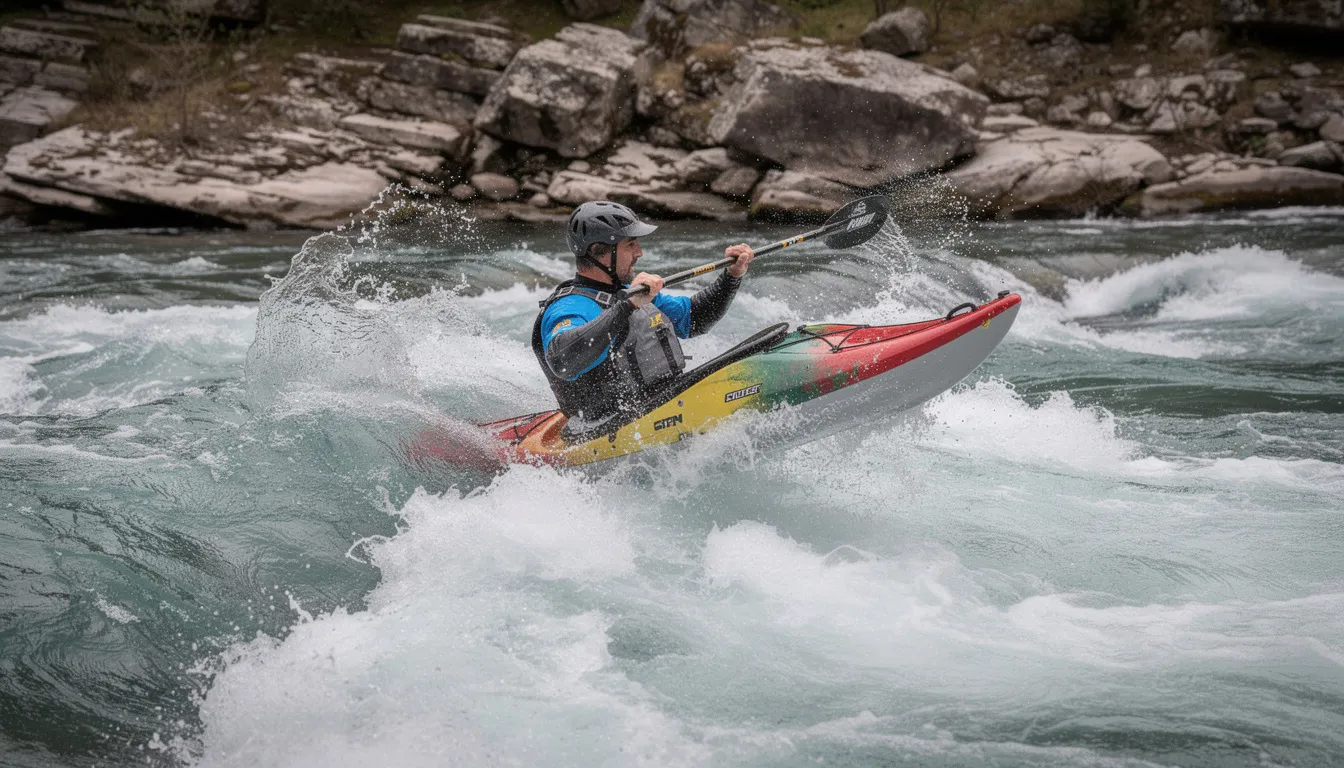
The right footwear for your kayaking depends on four key criteria: warmth, fit in your kayak, traction and protection on land, and how quickly the shoes drain and dry. Understanding these factors helps you narrow choices quickly rather than getting lost in endless product comparisons.
Warmth and Water Temperature
Water temperature matters more than air temperature when choosing kayak footwear. A sunny 65°F day can still mean 48°F water in spring, and that cold water will sap heat from your feet far faster than cold air ever could.
For cold water below approximately 50°F or 10°C, you’ll want thick neoprene boots or insulated paddling shoes, often combined with drysuit socks or a neoprene sock inside. This layered approach is standard for winter sea kayaking and early-season whitewater where immersion could lead to serious cold injuries.
Cool shoulder-season water in the 50 to 65°F range (roughly 10 to 18°C) works well with 3mm neoprene booties or wetshoes that fit inside most kayaks. These keep feet cool enough to avoid overheating while still providing meaningful warmth during splashes and brief immersions.
Warm summer water above 65°F or 18°C opens up options to mesh water shoes, sandals with enclosed toes, or minimalist designs that prioritize drainage and comfort over heavy insulation. Many paddlers find they can go with bare feet in the boat and slip on water shoes only for launching and landing.
Fit Inside Your Kayak
Boat fit is often the limiting factor that determines what kayaking shoes you can actually wear. Whitewater and freestyle kayaks with very low-volume bows and tightly outfitted foot areas leave little room for bulky footwear.
Paddlers in tight boats should choose low-profile footwear with thin soles, minimal bulk, and no big heel-cups. The goal is avoiding numb toes, cramped ankle bone pressure, or difficulty completing a wet exit in an emergency. A shoe that feels fine standing on the dock can become agonizing after two hours in a confined cockpit.
Sea kayaks and recreational sit-on-top kayaks are more forgiving, allowing thicker soles and boots without compromising leg position. Fishing kayaks with open standing platforms also accommodate larger footwear since you’re not cramming your feet into a narrow bow.
Test your footwear inside your actual kayak, sitting in paddling position for at least 10 to 15 minutes to check for pressure points before committing to a purchase.
Traction and Protection on Shore
Many kayak incidents and injuries happen while carrying boats over slick rocks, muddy banks, and slippery boat ramps rather than in open water. Good traction isn’t optional for paddlers who regularly launch from unimproved sites.
Sticky rubber outsoles with some tread depth handle whitewater rivers, surf launches, and rocky coastal landings confidently. The siping technology found in quality paddling shoes, which creates micro-channels in the rubber, can provide up to 50% better grip on wet surfaces compared to standard shoe rubber.
While thin neoprene booties feel great in the boat, their minimal rock protection can become a problem on sharp gravel, barnacles, or jagged riverside boulders. Paddlers who regularly scout rapids, portage between sections, or scramble over rocks to reach put-ins should favor more supportive shoes with ankle support and reinforced toe caps over ultra-minimalist options.
The deep lugs found on hybrid hiking and water shoes provide better grip on mixed terrain including dirt trails leading to rivers, though they sacrifice some of the slick surface grip that pure water shoes offer on boat decks.
Drainage, Drying, and Odor
True kayak footwear should not hold water like a sponge. Good designs either drain quickly through mesh and ports, or they’re intended to trap a thin insulating water layer like neoprene does. What you don’t want is a casual sneaker or hiking shoes that soak up water, get heavy, and stay wet for hours.
Mesh water shoes and sandals dry fastest, often becoming wearably dry within an hour or two on a warm day. Neoprene boots and neoprene booties stay damp much longer and can develop odor if not properly aired out between uses.
Practical tips for managing moisture include removing insoles after paddling, rinsing with fresh water especially after saltwater use, and letting shoes dry in a ventilated, shaded area rather than baking on a hot car dashboard. Some paddlers on multi-day trips keep a second pair of socks or booties to rotate, reducing the discomfort of putting on persistently damp footwear each morning.
Types of Footwear for Kayaking
Understanding the main categories of kayak footwear helps you quickly identify which overall style fits your paddling. The best type depends heavily on your discipline: recreational flatwater, multi-day touring, coastal sea kayaking, whitewater, or fishing from sit-on-tops.
Neoprene Booties and Wetshoes
Low to mid-height neoprene booties represent the classic kayak footwear choice. They’re snug with a sock like fit, flexible enough to feel natural in the boat, and they provide warmth when wet by trapping a thin layer of water warmed by your body heat. Thickness typically ranges from 2mm for mild conditions up to 5mm for cold water work.
These fit easily in tight cockpits and provide decent grip on wet rocks through their rubber sole designs. The limitation is moderate cushioning for hiking or long portages where you’d want more support and protection underfoot.
Neoprene wetshoes excel for whitewater, surf kayaking, and shoulder-season paddling where warmth and compact fit inside the boat matter more than extensive hiking capability. For cold weather layering, paddlers often wear wool or synthetic socks under drysuits, then pull booties over the suit’s fabric socks.
Low-Profile Water Shoes
The best water shoes are closed-toe, synthetic or mesh-upper designs with rubber outsoles and excellent drainage. They’re designed to be worn barefoot or with thin socks, and quality versions provide super grippy performance on wet boat decks and rocky shorelines.
Models like the astral loyak exemplify this category. They feel similar to a casual sneaker but deliver substantially better traction on wet rocks and docks. They’re excellent for warm conditions, general river running, and sea kayaking with occasional short walks. The limitation is minimal insulation in cold water.
A side benefit is that some minimalist water shoes double as travel shoes, saving weight and space on paddling trips where luggage capacity matters.
River Shoes and Hybrid Hiking/Water Shoes
River shoes and hybrid designs offer more robust construction than pure water shoes. They feature thicker midsoles, stronger toe and heel caps, and more supportive uppers suitable for walking and scrambling over challenging terrain.
These shoes prove ideal for creeking with mandatory portages, long hikes to remote put-ins, and kayak fishing where you spend significant time standing or hiking around launch sites. The additional foot shape accommodation and ankle support make them comfortable for hours of mixed boat and land time.
The trade-off is increased volume and stiffness that can feel uncomfortable in very tight cockpits. Paddlers in snug whitewater boats may need different shoes for boat time versus scouting and portaging.
Kayak Boots (Tall Neoprene or Rubber Boots)
Tall kayak boots extend over the ankle or even to knee height, primarily designed to keep water out when launching or landing in cold conditions. They prevent that shocking rush of frigid water when you step off the dock into deep water to push off.
These can be full neoprene for maximum warmth and flexibility, or rubber over neoprene for increased durability against mud and sharp shells. They’re favored by cold-weather sea kayakers, canoe trippers, and paddlers who routinely wade in frigid water to load and unload boats.
The downsides include potential overheating in summer and bulk that can feel awkward in tight boats. Always test whether you can still efficiently exit your kayak while wearing tall boots before relying on them in conditions where a wet exit might be necessary.
Sandals and What to Avoid
Closed-toe sandals with heel straps sometimes appear on warm-weather, casual kayaking trips, especially on sit-on-top or inflatable kayaks where foot position is less constrained. Benefits include easy on and off, good ventilation, and reasonable traction from quality footwear brands.
The drawbacks are real: stones can work their way under your feet, straps can catch on footpegs, and protection is minimal compared to proper paddling shoes. They also leave skin exposed to sunburn, which is nearly impossible to prevent with sunscreen on wet feet that are constantly being rinsed.
Open-toe sandals, flip-flops, and going barefoot should be avoided for any environment with rocks, barnacles, or potential swims. One unexpected capsize can mean scrambling through underwater rocks or swimming to shore where proper footwear becomes essential for safety.
If you currently paddle in basic sandals, upgrading to at least a closed-toe water shoe or neoprene bootie significantly improves your safety margin.
Fit, Sizing, and Comfort Tips for Kayak Shoes
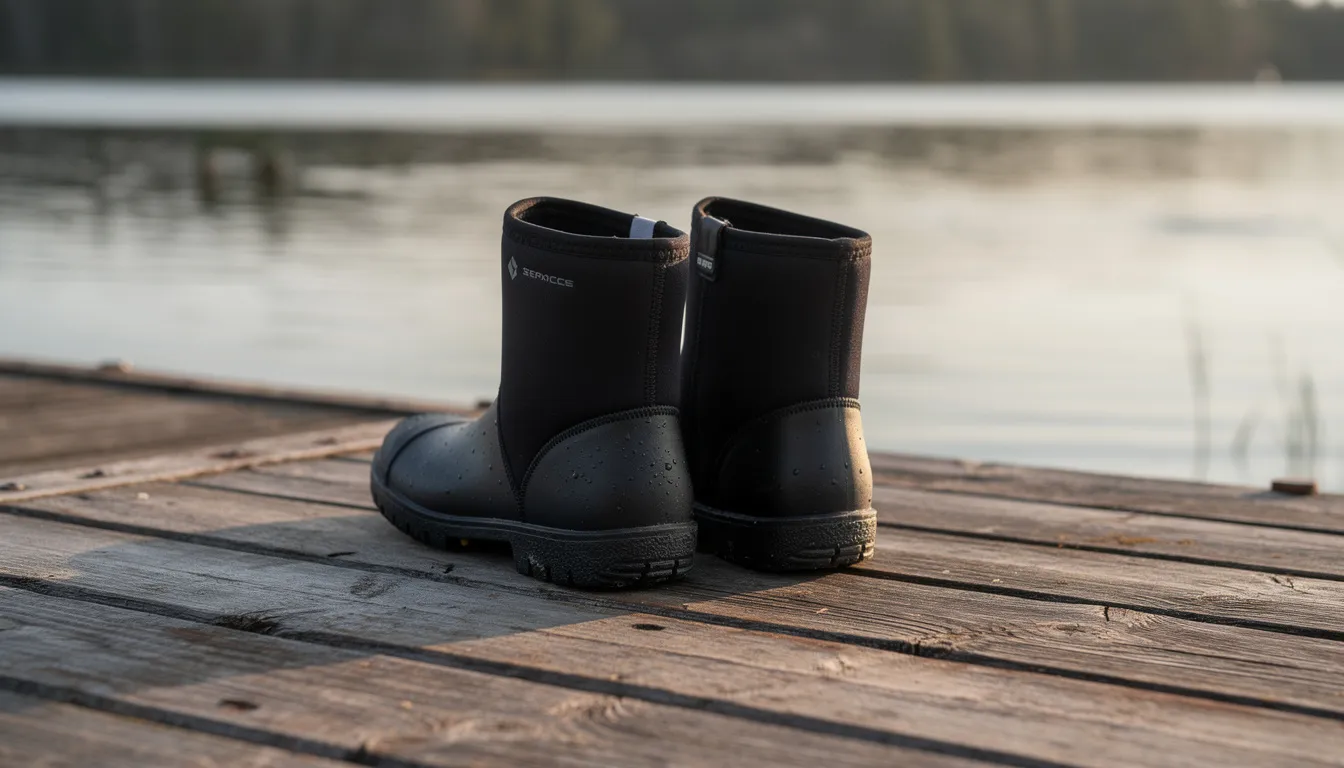
Getting the right fit prevents the discomfort issues that show up after hours in the boat. Kayak footwear should feel snug fit without being constrictive, with no heel lift and no spots that cause numbness or tingling during extended paddling.
Try on kayak shoes with the same socks or drysuit layers you’ll actually wear on the water. A shoe that feels perfect with bare feet may be impossibly tight when you add the neoprene sock or wool liner you’ll need for cold conditions.
Room for Socks and Drysuit Layers
If you paddle with a drysuit that has integrated socks, you must account for that extra fabric plus any insulating socks underneath when selecting your shoe size. This often means going up half a size for cold-water setups where neoprene or wool layers are standard.
The caution is not to size so large that the shoe becomes sloppy in the water. A loose boot can float off during a swim, leaving you barefoot in a potentially dangerous situation. The fit should remain snug enough that the footwear stays on even when waterlogged.
Test by sitting in paddling position for several minutes with your full layered system on. Ensure your toes aren’t jammed into the front of the shoe when your foot flexes against the footpeg. Some manufacturers design specific over-boot models with additional internal volume specifically for wearing over drysuit socks.
Checking Flex and Pressure Points
Flex your ankle and point your toes while wearing prospective shoes to mimic the seated kayak position. Check specifically for rubbing at the ankle bone or Achilles tendon, which are common problem areas in stiff-collared boots.
Soles that feel fine when standing can push awkwardly against footpegs during paddling, creating hot spots that worsen over time. The pressure from bracing your feet during paddling strokes is different from walking, and shoes need to accommodate both movements.
Actually sitting in your kayak with the shoes on, if possible, provides the best test. Make sure you can still move your toes and adjust foot position comfortably. Any discomfort noticed in a five-minute test will feel substantially worse after two or three hours on the water.
Care, Maintenance, and Longevity
Kayak shoes endure constant exposure to water, mud, sand, and the general stress of being wedged into cockpits and dragged across rocks. Simple care routines extend their functional life significantly and keep them from becoming odor hazards in your gear closet.
Rinsing and Drying After Paddling
Rinse shoes with fresh water after every trip, particularly following saltwater or silty river use. Salt crystals and fine grit work their way into fabrics and stitching, degrading materials over time and creating uncomfortable grit inside the shoe.
Remove insoles where possible and open laces or zippers fully so air circulates through the interior. This simple step dramatically speeds drying time.
Dry footwear in a shaded, ventilated area rather than on hot car dashboards or next to heaters. High heat warps rubber outsoles and damages the adhesives holding shoes together. A mesh laundry bag hung in a garage or under an overhang works well.
For odor control, occasional use of mild gear wash, diluted vinegar rinses, or purpose-made neoprene cleaners keeps the funk at bay. Neoprene especially benefits from periodic cleaning with wetsuit shampoo.
Inspecting for Wear and When to Replace
Periodically inspect soles for smooth, worn-out tread, especially around the ball of the foot and heel where grip on slick surfaces is most critical. Once the siping and tread pattern have worn flat, traction decreases significantly on wet rocks.
Check seams, toe caps, and heel areas for cracking rubber, peeling glue, or exposed stitching. These issues often precede bigger failures that can happen mid-season during a portage or rescue situation.
When a shoe consistently traps gravel inside or the outsole begins to delaminate from the upper, it’s safer to replace it rather than risk a complete failure at a critical moment. Many paddlers retire older shoes to light-duty beach days and casual paddling, investing in new primary pairs for more demanding trips.
FAQ
Can I wear regular running shoes or sneakers for kayaking?
While you technically can wear regular running shoes or hiking boots, it’s not ideal. Running shoes soak up water, dry slowly, and typically have rubber compounds that become slippery on wet rock and ramp surfaces. Waterlogged sneakers also become heavy and uncomfortable on long days, and they trap sand and grit that quickly wears out the interior. Purpose-built water shoes, neoprene booties, or at minimum quick-draining trail shoes with sticky rubber provide a much better kayaking experience.
Should I wear socks with my kayak shoes?
In warm summer conditions, most paddlers go barefoot in water shoes or use only thin synthetic socks to reduce rubbing on potential hot spots. In cold water, neoprene socks or wool socks under drysuit booties add essential insulation and should be factored into your shoe sizing. Avoid cotton socks entirely, as they stay wet and cold, increasing blister risk and contributing nothing to keeping feet warm or feet dry.
How many pairs of kayaking shoes do I really need?
Many frequent paddlers end up with two or three pairs: a warm-weather water shoe, a cool-weather neoprene bootie, and sometimes a tall winter boot for cold conditions. A single mid-weight neoprene wetshoe can cover substantial ground for budget-conscious paddlers who kayak mainly in moderate conditions. Prioritize safety first with closed toes, secure fit, and appropriate insulation for your typical water temperatures before worrying about having perfect right shoes for every season.
Are sandals ever a good idea for kayaking?
Closed-toe sandals with secure heel straps can work for casual summer paddling on lakes and slow rivers, especially on sit-on-top kayaks where your feet aren’t confined to a cockpit. They’re not appropriate for rocky coastlines, surf launches, or technical whitewater where better protection and security become essential. Open-toe sandals and flip-flops should be avoided altogether for any kayaking where you might need to swim or walk over rough ground.
How snug should kayak boots or booties feel?
They should feel snug enough that your heel doesn’t slip and the boot won’t float off in moving water, but not so tight that toes are cramped or circulation becomes restricted. You should be able to wiggle your toes and keep them from going numb. Numbness, tingling, or throbbing are signs the fit is too tight or the boot is too stiff for your boat. Try boots on at the end of the day when feet are slightly swollen to ensure comfort during long paddling sessions.